
In Shanghai, a monumental exhibition transcends visual art to embrace the Daoist sublime, culminating in an evening where Tham's original poetry and classical Xiao melodies bridge the ancient rites of wine, philosophy, and the invisible.
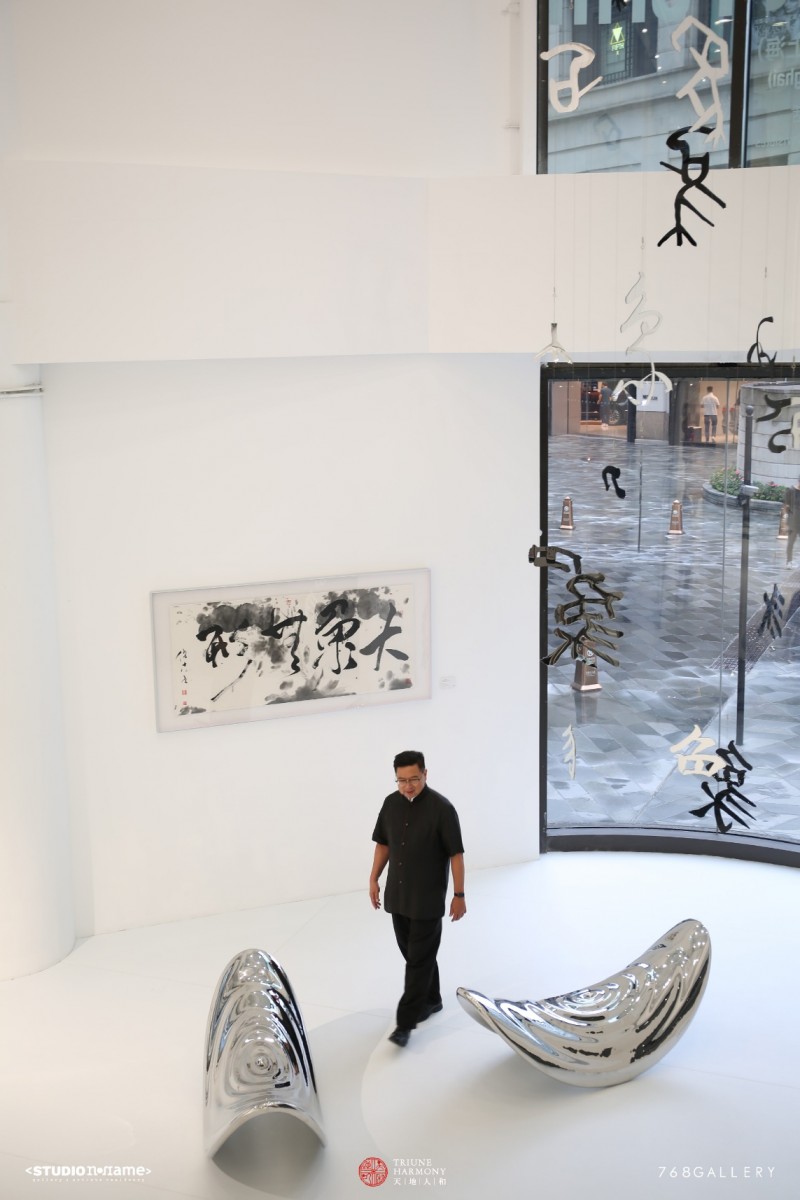
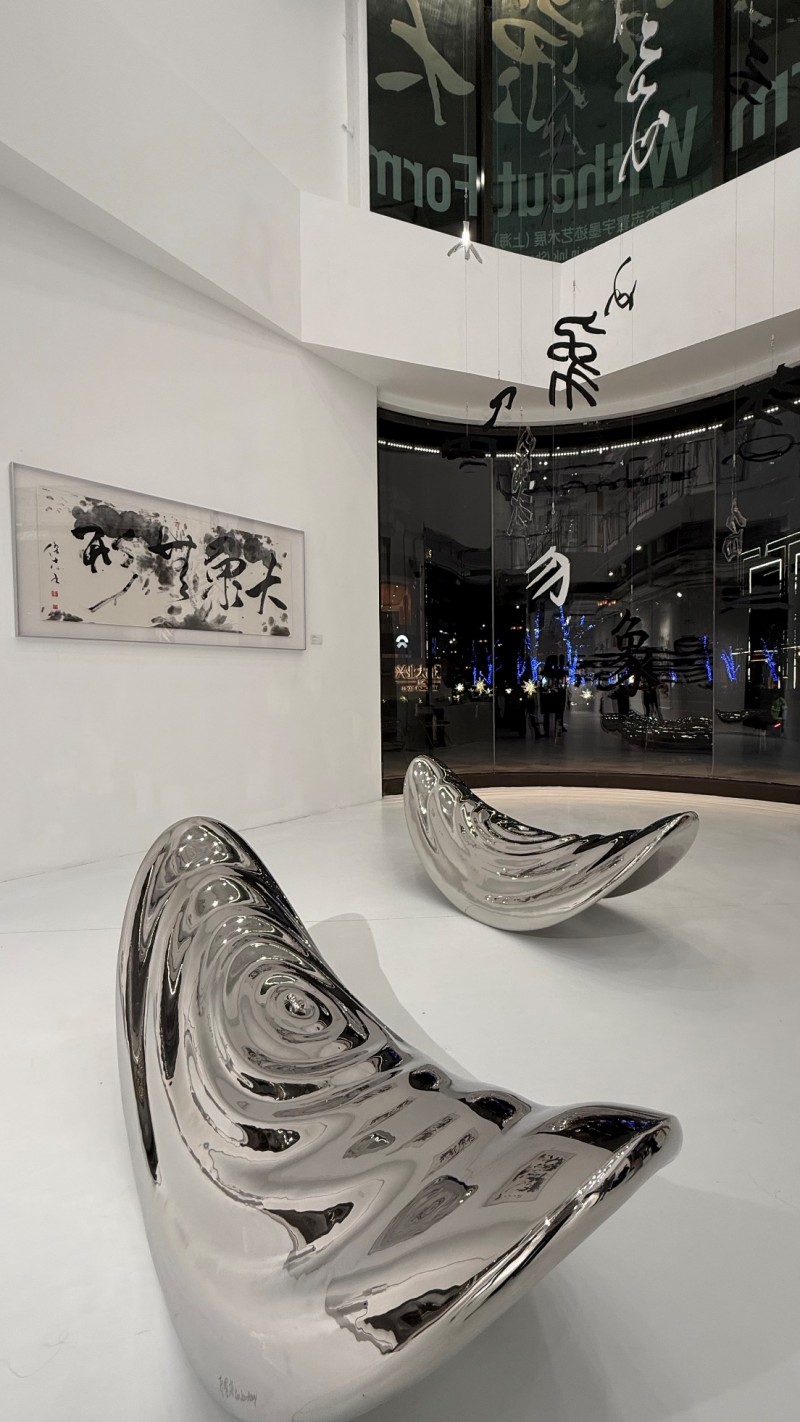
SHANGHAI --- On the evening of June 26, the W103 gallery space at HKRI Taikoo Hui, Jing'an, became more than a visual sanctuary; it transformed into a living stage for music, scholarly verse, and communal ritual. The landmark exhibition FORM WITHOUT FORM, presented by Triune Harmony, NONAME STUDIO, and 768 Gallery, hosted its deeply anticipated Spirits Beyond Spirits (醉灵欢乐时光) salon. While the exhibition itself has captivated audiences since June 13 with its monumental suspended calligraphy and international contemporary works, this exclusive gathering drew the public into the intimate, lyrical world of its creator, Professor Joseph Tham---enhanced by the evocative sounds of the classical Xiao.
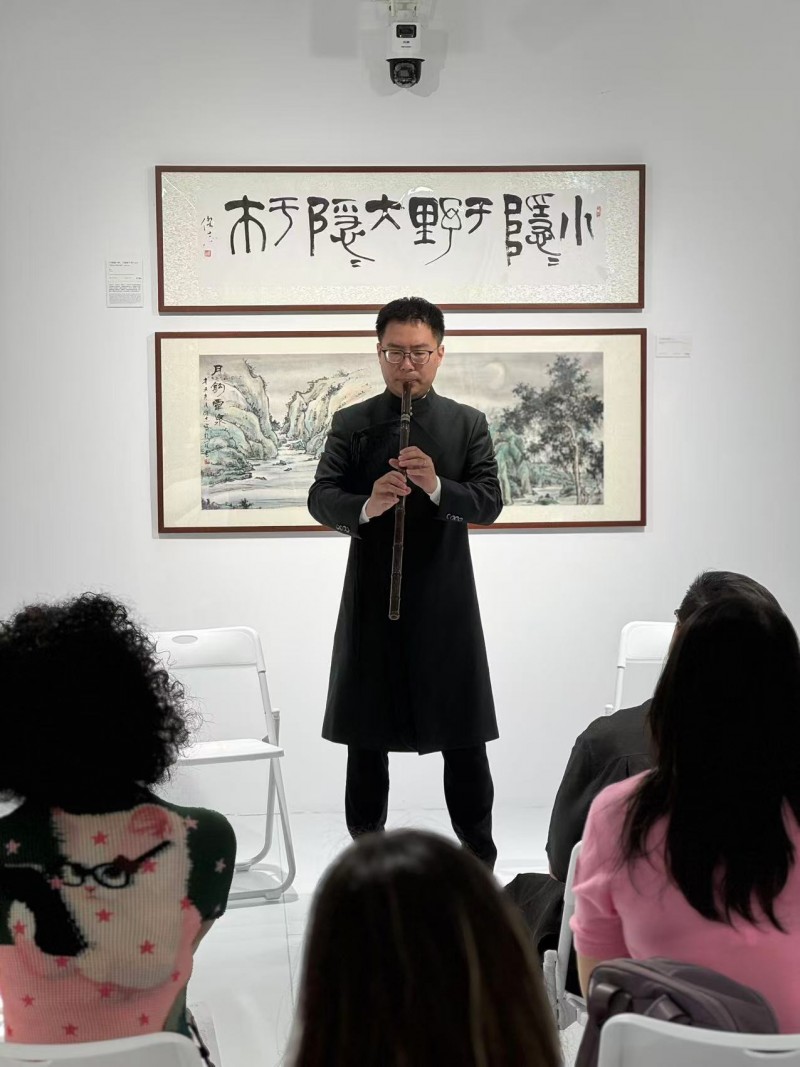
The evening opened with a hauntingly beautiful performance by renowned musician Wang Ze on the Xiao (箫), the ancient Chinese vertical bamboo flute. His opening piece, Three Variations on the Plum Blossom (梅花三弄), is a timeless classic of the traditional qin repertoire. As the melancholic, pure tones of the flute filled the space, they evoked the resilience and ethereal beauty of solitary blossoms braving winter's frost---a musical manifestation of the Daoist pursuit of transcendence and resilience that perfectly set the contemplative tone for the night.
A Dialogue of Poetic Echoes: Tham's Reimagining of the Classics
Central to the salon's intellectual core were the original lyrical works composed by Professor Joseph Tham, which were disseminated among the attendees: Drinking Wine No. 5 and Song of the Frontier. These were not mere translations of ancient texts, but profound poetic adaptations that resonated with the Da Xiang Wu Xing (大象无形) philosophy of the overarching exhibition.
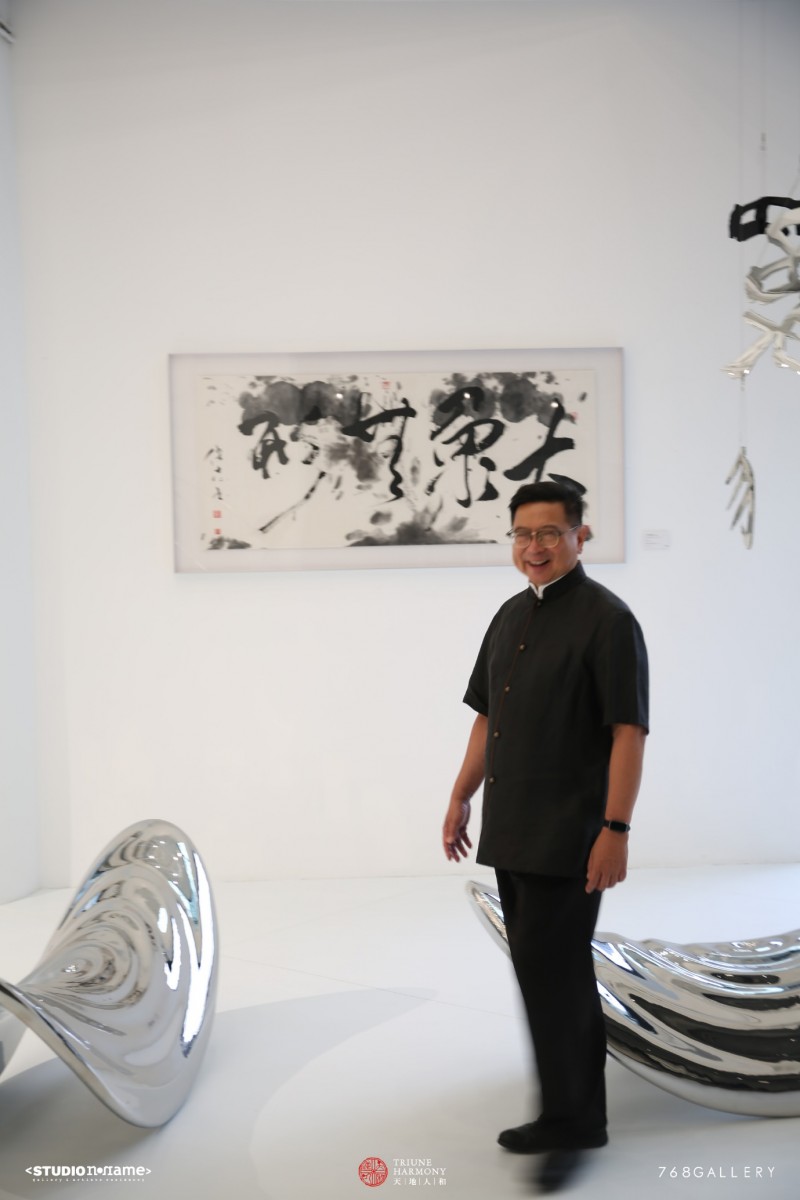
In Drinking Wine No. 5, Tham masterfully tapped into the legacy of the Daoist poet Tao Yuanming. His verses explore the existential paradox of living within the "human realm" while withdrawing from the noise of worldly pursuits. As Tham's accompanying commentary elucidated, the poem captures a quintessential Daoist state: a deliberate detachment that allows the soul to find absolute peace---not in isolated mountains, but in situ, amidst the ordinary quietude of "picking chrysanthemums beneath the eastern fence." Through his poetic lens, Tham seamlessly wove Daoist introspection with Confucian social awareness, showing how the "formless" nature of ultimate truth can be experienced in the everyday sublime.
The second piece, Song of the Frontier, took the audience on a contrasting journey into the vast, desolate landscapes of the western borderlands. Here, Tham adopted the voice of classical frontier poets, juxtaposing the heroic imagery of the Gobi Desert and the Jade Gate Pass against an underlying current of nomadic melancholy. His commentary revealed that this poem was not simply a historic elegy, but a reflection on the perpetual tension between human ambition and the indifferent, infinite expanse of nature.
From Written Verse to Living Ritual: The Philosophy of Wine and Qi
Central to the salon's profound academic depth was the philosophical convergence of "spirits" in both the literal and metaphysical senses. In traditional Chinese literati culture (wenren), wine was never regarded as mere consumption, but as a psycho-spiritual catalyst. Historical figures like the Tang Dynasty calligrapher Zhang Xu famously entered states of kuangcao (wild cursive) only after heavy intoxication. Alcohol was understood to dissolve the rational, "formed" ego, allowing the brush to move with unmediated natural spontaneity---a principle of Wuwei (无为, effortless action) and a direct channel to Shen (神), the divine spirit.
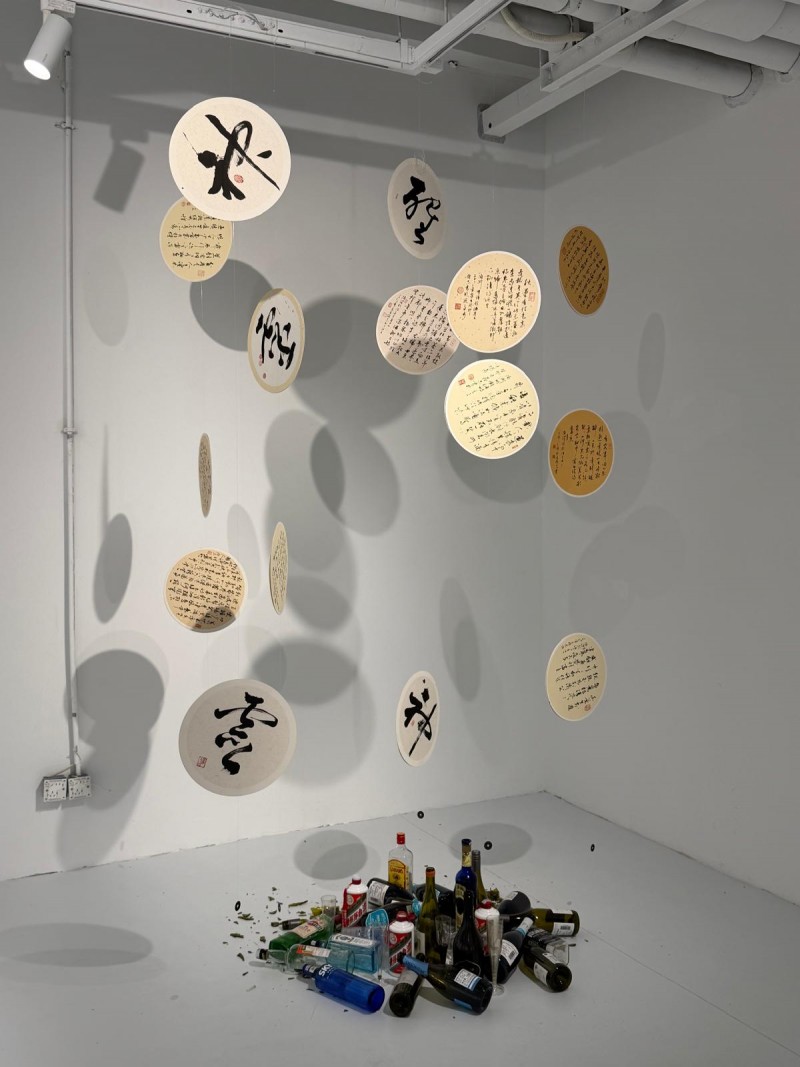
Professor Tham's poetry paid deep homage to this tradition, positioning wine not as an escape, but as a conduit to Qi (气)---the vital energy that flows through all living things. As attendees listened to Wang Ze's flutes, read Tham's bilingual verses aloud, and raised their glasses, they physically participated in an ancient ritual where music, poetry, and camaraderie became inseparable companions. The conviviality was not a distraction from the art, but a phenomenological instrument to experience the Xiang (形) dissolving into pure, formless energy.
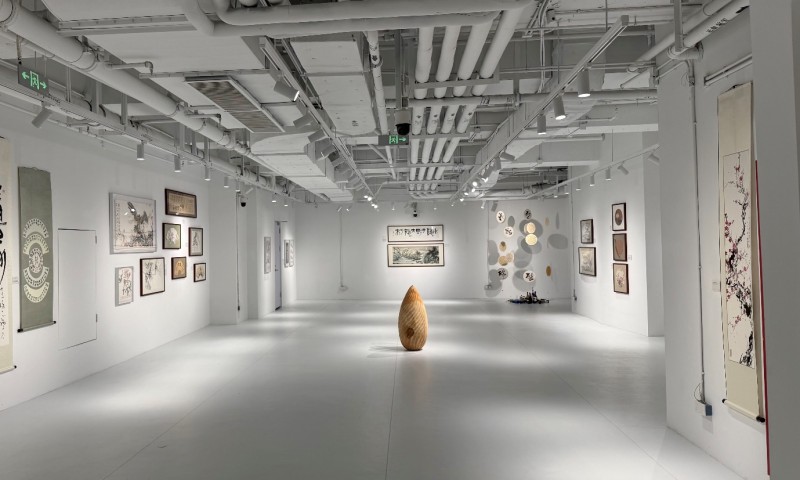
Following the poetry gathering, as the evening gradually concluded, Wang Ze returned to his instrument to offer the evocative Repetitions of Yang Guan Tune (阳关三叠). This centuries-old farewell melody, rooted in Tang Dynasty poetry, gently dissolved the formal boundaries of the gathering. It acted as a powerful philosophical counterpoint to the evening---a reminder that while physical forms and gatherings inevitably part ways, the Qi and spiritual resonance of shared moments leave an enduring, invisible imprint on the soul. Throughout the event, wine and snacks were served, grounding the lofty artistic exploration in warm, tangible camaraderie.
A Lasting Invitation to the Formless
While the Spirits Beyond Spirits salon has concluded, the FORM WITHOUT FORM exhibition continues its cultural dialogue at HKRI Taikoo Hui W103 until July 5, 2026. Professor Tham's poetic works remain on display as part of the exhibition's layered narrative, inviting viewers to read beyond the ink and feel the breath of the universe within the text. As the final, fading notes of the Xiao suggest, the truest connection to art is not found through fixed visual analysis, but within the ephemeral, intoxicating spaces between the written word, shared philosophical inquiry, and the boundless majesty of the invisible.

超越笔墨:在"大象无形"展览中"醉灵欢乐时光"的诗意灵魂

在上海,一场具有里程碑意义的展览超越视觉艺术,直抵道家之崇高境界,最终以一场夜晚盛会达到高潮——谭教授的原創詩歌与古典箫声,共同架起了连接古老酒礼、哲学思辨与无形之道的桥梁。
上海——6月26日晚,静安兴业太古汇W103画廊空间不再仅仅是一处视觉圣殿;它化身为一个鲜活的舞台,承载着音乐、文人诗赋与共聚仪典。由Triune Harmony、NONAME STUDIO与768 Gallery联合呈现的具有里程碑意义的展览"大象无形",在此举办了备受期待的"醉灵欢乐时光"沙龙。尽管展览自6月13日开幕以来,已以其恢弘的悬垂书法与国际当代作品吸引了众多观众,但此次专场聚会则将公众引入了其创作者——谭杰志教授——更为私密而富有诗意的内心世界,并辅以古典箫声的幽远回响,更添韵味。
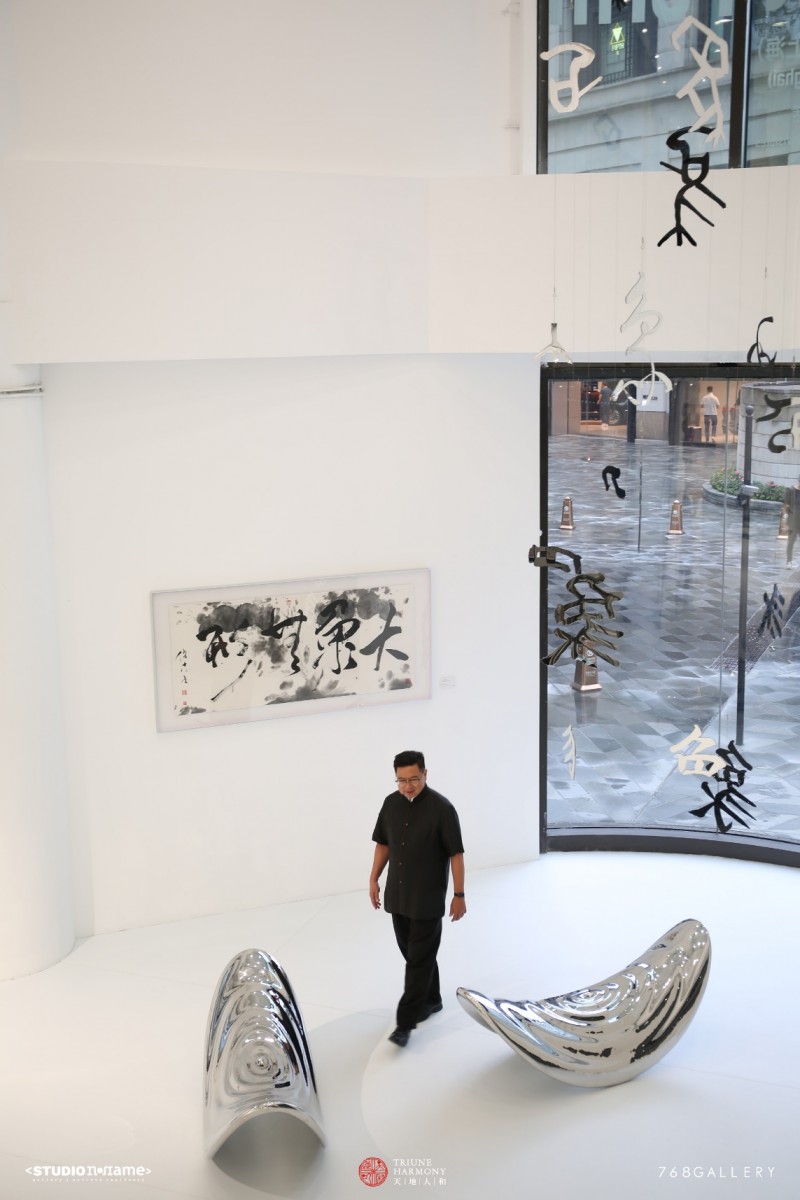
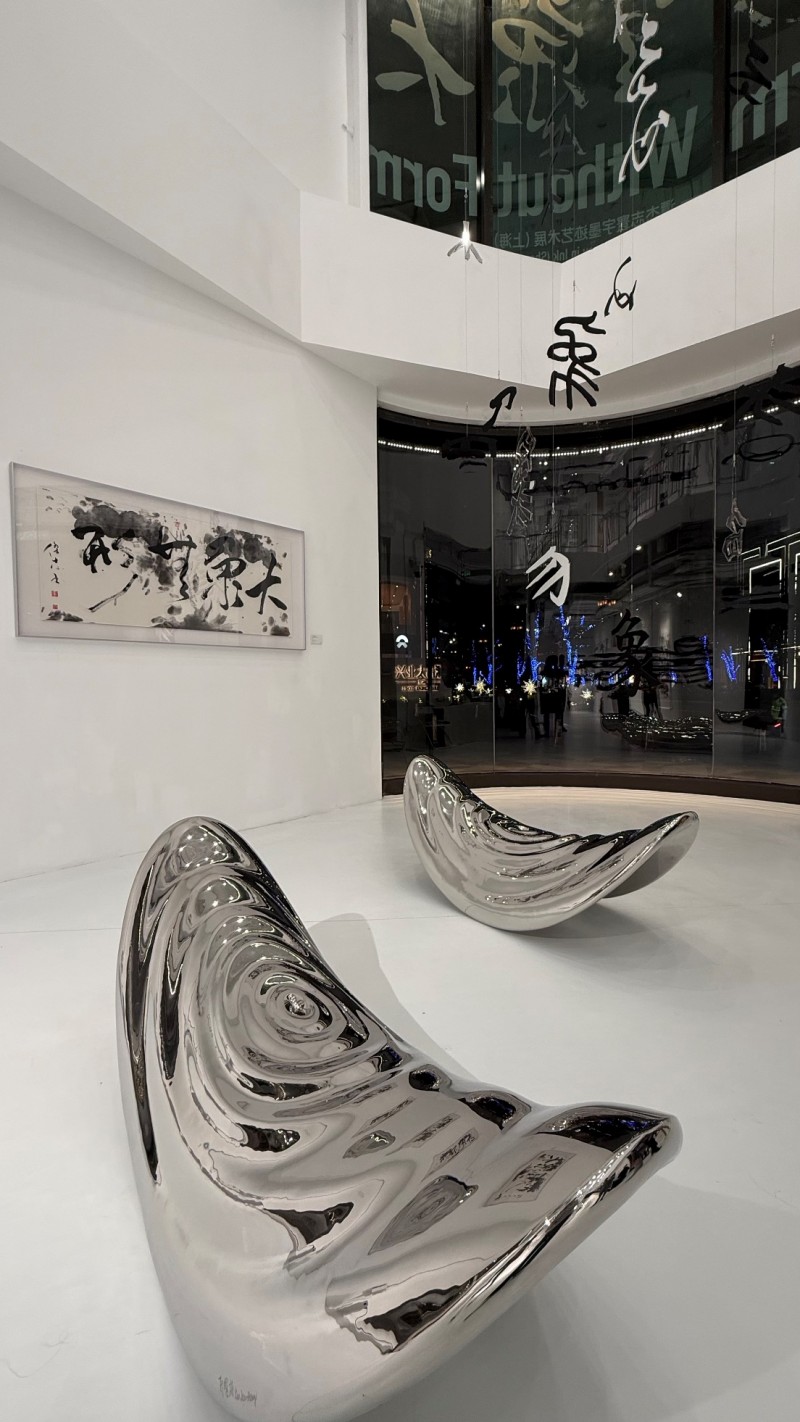
当晚以著名音乐家王泽的箫演奏拉开帷幕。箫是中国古老的竹制竖吹乐器。他开场的曲目《梅花三弄》,是传统琴曲中千古流传的经典。当清幽而纯净的箫声充盈整个空间时,仿佛让人看到寒梅傲霜的坚毅与空灵之美——这正是道家追求超然与坚韧精神的一种音乐化呈现,也恰如其分地为整晚奠定了沉思的基调。
诗韵回响的对话:谭教授对古典的重新演绎
沙龙思想内核的核心,是谭杰教授原创的诗歌作品,并在与会者中传阅:《饮酒·其五》与《边塞之歌》。它们并非对古文的简单翻译,而是深刻的诗性再创作,与整个展览"大象无形"的哲学理念遥相呼应。

在《饮酒·其五》中,谭教授巧妙地承接了道家诗人陶渊明的精神遗产。他的诗句探讨了身处"人境"却远离尘世喧嚣这一存在悖论。正如谭教授在注释中所阐明的,这首诗捕捉到一种典型的道家境界:一种有意的超脱,使灵魂获得绝对的宁静——并非在偏远的山林之中,而是在原地,在日常"采菊东篱下"的恬淡之中。通过他的诗性视角,谭教授将道家的内省与儒家的社会关怀无缝融合,展现出终极真理的"无形"本质如何在日常的崇高体验中被感知。
第二首《边塞之歌》则将听众带入截然不同的旅程——苍茫辽阔的西部边陲。在这里,谭教授借用了古典边塞诗人的口吻,将戈壁沙漠与玉门关的雄奇意象,与潜藏的游牧式苍凉感并置。他在注释中指出,这首诗并非仅仅是历史的挽歌,而是对人类雄心与无情、无垠自然之间永恒张力的沉思。
从文字到活态仪典:酒与气的哲学
沙龙深刻学术底蕴的核心,在于"spirits"一词在字面与形而上双重层面的哲学交汇。在中国传统文人文化中,酒从不被仅仅视为饮品,而是一种精神—灵性的催化剂。如唐代书法家张旭等历史人物,便以酣醉之后方能进入"狂草"之境而闻名。人们认为,酒能消解理性的、有"形"的自我,使笔锋得以不受阻滞地自然挥洒——这正是"无为"的体现,也是通达"神"的直接途径。
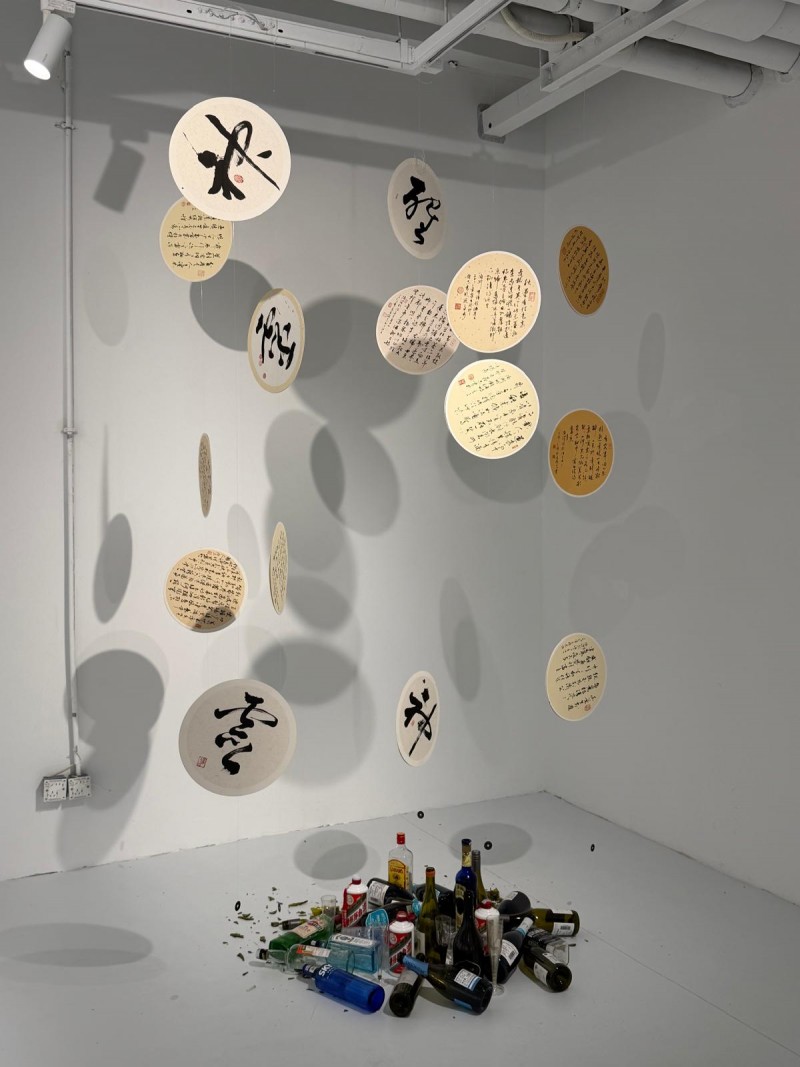
谭教授的诗歌深切致敬了这一传统,将酒定位为并非逃避,而是通向"气"——贯穿万物的生命能量——的媒介。当与会者聆听着王泽的箫声,高声诵读谭教授的双语诗作,并举杯共饮时,他们亲身参与了一场古老的仪典——在此,音乐、诗歌与情谊成为不可分割的伴侣。这种欢聚并非对艺术的干扰,而是一种现象学的工具,用以体验"形"消融为纯粹无形之能量的过程。
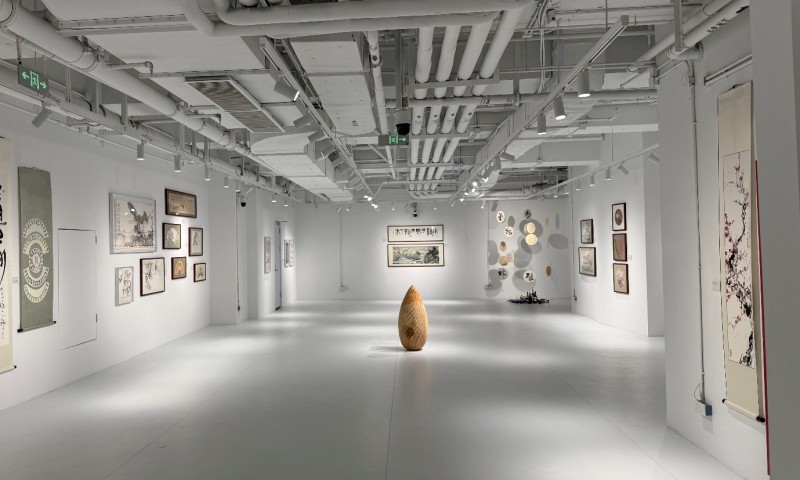
诗会过后,夜色渐深,王泽再次执箫,奏响了意蕴悠长的《阳关三叠》。这首源自唐代诗歌的古老送别曲,温柔地消解了聚会的仪式边界。它成为当晚强有力的哲学对照——提醒人们,纵然有形的形态与相聚终将离散,但共同时刻所凝聚的"气"与精神共鸣,却会在灵魂深处留下恒久而无形的印记。整场活动中,酒水与点心始终相伴,让高远的艺术探索融入温暖而真切的情谊之中。
对无形之境的长久邀约
虽然"醉灵欢乐时光"沙龙已落下帷幕,但"大象无形"展览仍将在兴业太古汇W103继续其文化对话,展期至2026年7月5日。谭教授的诗歌作品作为展览多重叙事的一部分,仍将持续展出,邀请观众在笔墨之外阅读,在文字之间感受宇宙的呼吸。正如箫声最后渐逝的音符所暗示的,与艺术最真实的连接,并非来自固定的视觉分析,而在于文字、共享的哲思探寻与无形之境的浩瀚壮美之间那短暂而令人陶醉的空间。
本文地址:http://www.chinaxhk.net/wenhua/60864.html - 转载请保留原文链接。| 免责声明:本文转载上述内容出于传递更多信息之目的,不代表本网的观点和立场,故本网对其真实性不负责,也不构成任何其他建议;本网站图片,文字之类版权申明,因为网站可以由注册用户自行上传图片或文字,本网站无法鉴别所上传图片或文字的知识版权,如果侵犯,请及时通知我们,本网站将在第一时间及时删除。 |